
This post has affiliate links. If you buy through them, I may earn a small commission at no extra cost to you. I only share products I’ve used.
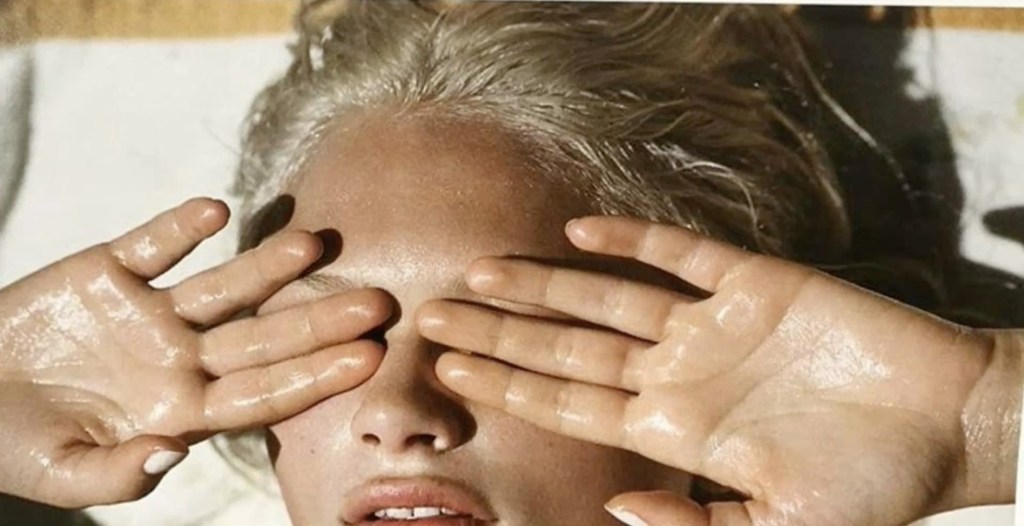
If you want skin that looks lit from within, a good tinted SPF does more than any highlighter. It evens out redness, gives you a soft glow, and protects your skin every single day.
The problem? I have combination skin and a history of acne. I break out easily, and a lot of tinted sunscreens are too heavy, too shiny, or the wrong color. So I put the three most-recommended derm brands head to head: Alastin vs EltaMD vs ISDIN.
I judged each one on four things: protection, ingredient quality, pore-clogging ingredients, and how it works as a makeup base.
The quick answer
- Best glowy tinted SPF overall: Alastin HydraTint Pro Mineral SPF 36. My go-to, always. It feels the lightest, gives just the right amount of glow, and has never made me break out.
- Best runner-up: EltaMD UV Clear Tinted SPF 46. Higher SPF and it didn’t break me out either. But it’s thicker, so it feels heavier on your skin.
- The one I’d skip: ISDIN Eryfotona Actinica Tinted SPF 50. On me it was way too glowy, and the color looked orange instead of like my skin.
Side-by-side comparison
| Alastin HydraTint | EltaMD UV Clear Tinted | ISDIN Eryfotona Actinica Tinted | |
|---|---|---|---|
| SPF | 36 | 46 | 50 |
| Sunscreen filters | 8.9% titanium dioxide + 3.4% zinc oxide (100% mineral) | 9% zinc oxide + 7.5% octinoxate (mineral + chemical) | 16.1% titanium dioxide (100% mineral) |
| Water resistant | Yes, 40 minutes | No | Not on the US label |
| Fragrance | None | None | Yes, added fragrance |
| Star ingredients | Ectoin, ergothioneine, green tea, squalane | 5% niacinamide, hyaluronic acid, vitamin E | DNA Repairsomes, panthenol, vitamin E |
| Texture | Lightweight | Thicker | Thin, silky |
| Finish on me | Soft, natural glow | Natural, skin-like | Too glowy, orange-toned |
| Broke me out? | Never | No | — |
| Price (approx.) | $79 / 3.2 oz | $47 / 1.7 oz | $46 / 1.7 oz, $73 / 3.4 oz |
1. Protection: which one guards your skin best?
Here’s something most people don’t know: a higher SPF number isn’t the whole story. SPF mostly tells you about UVB, the rays that burn. UVA rays are the ones that cause dark spots and wrinkles. They come through windows and clouds, too.
Zinc oxide covers the widest range of UVA of any filter. Titanium dioxide is great for UVB but weaker at the far end of UVA.
- ISDIN (SPF 50) has the highest number, but it only uses titanium dioxide. Strong burn protection, less full UVA coverage than a zinc formula.
- EltaMD (SPF 46) uses 9% zinc oxide plus octinoxate, a chemical filter. Great wide coverage. Just know it’s not 100% mineral, if that matters to you.
- Alastin (SPF 36) mixes titanium dioxide and zinc oxide, so you get both. It’s also the only one of the three that’s water resistant (40 minutes), which helps on sweaty days.
Winner: EltaMD for the best mix of a high SPF and wide UVA coverage. Alastin is a close second. SPF 36 still blocks about 97% of UVB. And the sunscreen you actually like wearing every day is the one that protects you best.
2. Ingredient quality: what else is it doing for your skin?
Alastin reads like a serum. It has ectoin and ergothioneine (two antioxidants that help shield skin from sun and pollution stress), green tea, algae extract, squalane for moisture, and vitamin E. It’s fragrance-free.
EltaMD has 5% niacinamide, which calms redness and helps with breakouts and dark spots. It also has hyaluronic acid for hydration, vitamin E, and a little lactic acid. Short, simple, fragrance-free.
ISDIN is known for DNA Repairsomes, an enzyme from plankton that the brand says helps repair existing sun damage. It also has panthenol and vitamin E. But it contains added fragrance and denatured alcohol, which can bother sensitive or acne-prone skin.
Winner: Alastin. The most skincare packed into one step, with no fragrance.
3. Pore-clogging ingredients: will it break you out?
All three brands call their formulas non-comedogenic (made not to clog pores). But if you break out easily like I do, it’s worth reading the full list. Here’s what I flagged:
- EltaMD: oil-free, with niacinamide on its side. It does contain isopropyl palmitate, which clogs pores for some people. But it’s near the very end of the list, so the amount is small.
- Alastin: mostly silicones, which are generally fine for acne-prone skin. It does have soybean oil and stearic acid, which can cause bumps for some people, especially if you get fungal acne (tiny, itchy, same-size bumps).
- ISDIN: no obvious heavy oils, but fragrance and drying alcohol can irritate skin. Irritated skin can lead to more breakouts.
My real-life results: Alastin has never made me break out, and it’s been my go-to for years. EltaMD didn’t break me out either. So even though Alastin has a couple of ingredients that look iffy on paper, my skin has always loved it.
Winner: Tie between Alastin and EltaMD. Both have been totally safe for my breakout-prone skin. If you know soybean oil bothers you, go with EltaMD.
4. Makeup base: how does it look and feel?
This is where the “glowy” part comes in, and where the three are most different.
- Alastin feels the most lightweight of the three. It melts in easily and gives a soft, healthy glow without looking shiny. It works alone on no-makeup days or under foundation.
- EltaMD has a thicker texture. I don’t love how it feels on my fingers. And when I use a makeup brush, the brush soaks up a lot of the product, so less ends up on my face. Tip: apply it with clean fingers and press it in, so you get the full amount of SPF.
- ISDIN left me way too glowy. Not “lit from within” glowy, more like shiny. The color was also off for my skin. It looked orange instead of matching me. If you have warmer or deeper skin and love a lot of shine, it may work better for you.
Winner: Alastin. The lightest feel, the right amount of glow, and the best match to my skin.
The verdict: which tinted SPF is best?
Get Alastin HydraTint. It’s the one I always come back to. It won three of four categories, it feels like nothing on your skin, and it gives that glow you want without looking greasy. It’s the priciest, but the tube is almost twice the size of EltaMD’s.
Get EltaMD UV Clear Tinted if you want a higher SPF, more zinc, or a lower price, and you don’t mind a thicker feel. It’s a really good option that won’t break you out.
Skip ISDIN Eryfotona Actinica Tinted unless you have warm or deep skin and want a lot of shine. It’s a great sunscreen on paper, but it just wasn’t right on me.
FAQ
Is Alastin tinted sunscreen good for acne-prone skin?
For me, yes. I have acne-prone combination skin and it has never broken me out. It’s fragrance-free and mostly silicone-based. It does have soybean oil, so if you get fungal acne, patch test along your jawline for a week first.
Is EltaMD UV Clear Tinted thick?
It’s thicker than Alastin HydraTint. If you use a brush, the brush can soak up a lot of product. Using your fingers helps you get the full dose of SPF on your face.
Is EltaMD UV Clear Tinted a mineral sunscreen?
Not fully. It uses zinc oxide (mineral) plus octinoxate (chemical). If you want 100% mineral, Alastin and ISDIN both are.
Is SPF 36 enough for every day?
Dermatologists recommend at least SPF 30 for daily use. SPF 36 blocks about 97% of UVB rays, and SPF 50 blocks about 98%. Using enough (about two finger-lengths for face and neck) and reapplying every two hours matters more than the small gap in numbers.
Why does ISDIN tinted look orange?
It comes in one shade with a warm tint. On lighter or cool-toned skin it can look orange. On warmer or deeper skin it may blend in better.
How I tested
This isn’t a “I tried it for 30 days” review. All three of these have been in my bathroom on and off for years. I’ve gone through more than one tube of each, and I cycle between them depending on the season and how my skin is acting. So what you’re reading is years of real wear, on my own combination, acne-prone skin, both alone and under makeup, with fingers and with a brush.
For the ingredient sections, I went through each formula’s full ingredient list on its US drug facts label. I looked at the sunscreen filters, the skincare extras, and any ingredients known to clog pores or irritate skin.
About me
I’m Sofia de Diaz. I work behind the scenes with beauty brands as an e-commerce consultant, so I spend my days reading ingredient lists, product claims and customer reviews. I also have combination, breakout-prone skin, so I test everything with that lens.


Leave a Reply